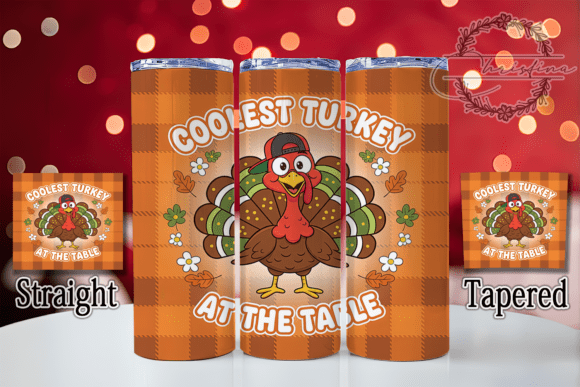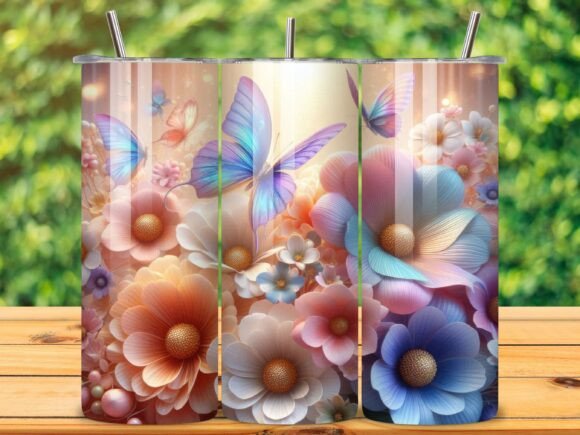
Elevate Your Digital Portfolio with 3D Cup Modeling
In the fast-paced world of digital design and online commerce, visual presentation is everything. Whether you are a photographer showcasing a portfolio, an artist selling prints, or a graphic designer pitching a new brand identity, the way your work is displayed can make or break a sale. This is where 3D cup modeling becomes an indispensable tool for modern creatives. While often associated with product photography, the application of realistic 3D mockups extends far beyond simple merchandise. It serves as a bridge between abstract digital files and tangible reality, allowing clients to visualize potential outcomes in their own spaces.
Imagine having the ability to show a client exactly how a piece of artwork would look hanging on their living room wall before they ever commit to purchasing it. Or picture a scenario where a blogger can instantly update their site with high-quality images of canvas prints that adapt perfectly to any screen size. The technology behind 3d cup modeling and similar smart mockup systems provides this level of immersion without requiring expensive photography sessions or complex rendering skills. It transforms static JPEGs into dynamic, interactive experiences that drive engagement and conversion.
The Power of Realistic Visualization in Modern Workflows
One of the most significant challenges designers face today is the "flatness" problem. When a client views a flat image file, they struggle to gauge scale, texture, and lighting. They cannot see how the light hits the edges of a frame or how the material interacts with the environment. By utilizing advanced 3d cup modeling techniques integrated into layered Photoshop PSD files, these uncertainties are eliminated. These tools simulate real-world physics, ensuring that your artwork appears to exist within a genuine interior setting.
This capability is particularly vital for e-commerce platforms. When customers browse an online shop, they need confidence. A standard product photo might show a canvas print against a white background, but a mockup generated using 3d cup modeling principles places that print in a cozy, sunlit room. Suddenly, the customer isn't just buying a piece of art; they are buying the feeling of that room. This psychological shift from "product" to "lifestyle" is what drives sales. It allows businesses to showcase their products in context, making the purchase decision easier and more intuitive.
Furthermore, this approach fits seamlessly into agile workflows. Designers no longer need to wait for physical prototypes to be created and photographed. What used to take days of coordination with photographers and stylists can now be accomplished in minutes on a laptop. The speed at which a professional can iterate through different designs, frame styles, and room settings is unprecedented. This efficiency allows for rapid testing of market preferences, enabling brands to pivot quickly based on visual feedback rather than guesswork.
Understanding the Technical Magic: Smart Objects and Flexibility
At the heart of these powerful visualization tools lies the intelligent use of Adobe Photoshop's Smart Object technology. Unlike traditional raster images that lose quality when resized, the format described here—typically a layered Photoshop PSD file—is built for maximum flexibility. The core feature that sets this apart is the inclusion of a smart-object layer specifically designed to handle image insertion effortlessly.
The process is remarkably user-friendly, even for those who consider themselves non-technical. To get started, you simply open the file in Photoshop and locate the thumbnail representing the smart object layer. A double-click opens a new window where you can drop in your own artwork. Once you save that file, the changes automatically reflect in the main document. But the magic doesn't stop there. The system is engineered so that the frame and canvas automatically adjust to the size and ratio of your uploaded image. This means whether you upload a square Instagram post or a wide panoramic banner, the 3D model adapts its perspective and proportions to fit perfectly.
This automatic adjustment is crucial for maintaining the integrity of the 3d cup modeling effect. If the software forced a rectangular image into a circular frame or distorted the aspect ratio, the realism would vanish. Instead, the geometry of the 3D model bends and shifts subtly to accommodate the content, preserving the illusion of depth and dimension. This ensures that the final output looks like a photograph taken by a professional camera, complete with shadows, highlights, and texture mapping.
Bridging the Gap Between Digital Art and Physical Interiors
For artists and photographers, the primary goal is often to sell not just an image, but an experience. Using a mockup that leverages 3d cup modeling allows you to present your work in a variety of contexts. You can demonstrate how a vibrant oil painting looks in a minimalist Scandinavian living room, or how a black-and-white photograph adds drama to a modern office space. This versatility is a game-changer for marketing strategies across blogs, social media channels, and dedicated online stores.
Consider the impact on social media marketing. Platforms like Instagram and Pinterest are highly visual, and users scroll quickly. A generic image of a canvas print might get skipped, but an image showing that same print hanging above a stylish sofa while a dog sleeps nearby captures attention. It tells a story. By creating outstanding designs with these freebies, creators can generate content that resonates emotionally with their audience. The ability to customize the background and lighting of the mockup means you can tailor the mood to match your brand aesthetic perfectly.
Additionally, this technology supports the growing trend of personalized home decor. Clients love seeing customization options. With a flexible PSD template, you can offer multiple variations of a single product. Show them the same artwork in a gold frame, a wooden frame, or floating on a white wall. Each variation creates a unique visual narrative, giving the client a sense of control and involvement in the design process. This interactivity builds trust and reduces the hesitation often associated with buying art online.
Practical Benefits for Designers and Business Owners
The adoption of these tools offers tangible benefits that extend beyond mere aesthetics. Cost savings are immediate. Professional photoshoots involving models, props, and studio time can cost thousands of dollars. In contrast, a high-quality PSD mockup is a one-time investment—or even a free resource—that can be reused indefinitely. This democratizes access to high-end visualization, allowing small businesses and independent freelancers to compete with larger corporations.
Efficiency is another major factor. Time is money in the creative industry. Being able to generate hundreds of variations of a product listing in the time it takes to shoot a single batch of photos allows businesses to scale their operations. You can test different markets by changing the background environments to suit local tastes. For instance, a design meant for a New York loft might have a different backdrop than one intended for a London townhouse. The 3d cup modeling framework makes these localized adjustments seamless.
Moreover, the consistency provided by these templates ensures brand uniformity. When every product image in your shop follows the same lighting style and perspective rules, your store looks professional and cohesive. This consistency reinforces brand identity and makes navigation more pleasant for the user. It signals to the customer that the business pays attention to detail, which translates to perceived value and quality.
Getting Started with Your First Mockup
If you are ready to elevate your presentations, integrating these tools into your workflow is straightforward. Start by downloading a reliable layered Photoshop PSD file that features smart-object capabilities. Ensure the file includes instructions, though the process is generally intuitive. Open the file, identify the smart object layer, and double-click the thumbnail. This action triggers the creation of a temporary window where you can paste your source image.
Once your image is inserted, save the changes within that specific window. Watch as the main document updates instantly. The canvas will stretch, the frame will curve, and the shadows will recalibrate to match your new content. This automation removes the tedious manual labor of masking and warping layers. You can then export the result as a high-resolution JPEG, ready for web use or print. Because the file works with all image sizes, you don't need to worry about cropping or resizing manually; the system handles the ratios for you.
By embracing 3d cup modeling and similar smart mockup technologies, you are not just saving time; you are enhancing the storytelling power of your work. You are providing your clients with a clear, realistic vision of the final product, reducing returns and increasing satisfaction. In an era where digital experiences must mimic physical reality to succeed, these tools are essential assets for any serious creator or business owner looking to stand out in a crowded marketplace.